
Furnace Repair, Installation, and Maintenance in Oregon City, OR
When your furnace goes out during a cold Oregon winter, you need someone you can trust to show up, diagnose the problem honestly, and fix it right. Chase Heating & Cooling has been doing exactly that for Oregon City and Clackamas County homeowners since 2001. Whether you need a furnace repair, a tune-up before the cold months arrive, or a full system replacement, our technicians are here to help. Give us a call at 503-254-1274 to get started.
Give us a call today: 503-254-1274
Furnace Services We Provide in Oregon City
Chase offers a full range of furnace services for homes throughout Clackamas County and the greater Portland area. No matter what your heating system needs, we'll give you an honest assessment and straightforward options.
Furnace Repair
A furnace that won't start, runs constantly, or blows cold air isn't just uncomfortable. It can drive up your energy bills and put more wear on the system over time. Our technicians diagnose and repair all makes and models of gas furnace and electric furnace equipment. We carry common parts on the truck so most repairs can be completed in a single visit.
Furnace Installation and Replacement
When repairs no longer make financial sense, a new furnace installation is the smarter move. We help Oregon City homeowners choose the right system for their home size, budget, and heating goals, then install it to manufacturer specifications. Chase is an Energy Trust of Oregon Trade Ally, which means our customers can access available rebates when upgrading to a qualifying high-efficiency system.
Furnace Tune-Up and Maintenance
A furnace tune-up once or twice a year is the single best way to avoid unexpected breakdowns. During a maintenance visit, our technicians clean the burners, check the heat exchanger, test safety controls, and make sure your system is running at peak efficiency before the cold weather sets in. Regular maintenance also extends the life of your equipment and keeps your warranty valid.
Gas Furnace vs. Electric Furnace:
What Oregon City Homeowners Should Know
Choosing between a gas furnace and an electric furnace comes down to what your home is set up for, what you want to spend each month, and how cold your winters actually get. Here's an honest look at both.
Gas Furnace
Gas furnaces run on natural gas and are the most common heating system in Oregon City for good reason. They heat up quickly, reach higher output temperatures, and typically cost less to operate month to month than electric resistance heat. A high-efficiency gas furnace with a strong AFUE rating (more on that below) can significantly reduce your energy bills compared to an older system.
The tradeoffs: gas furnaces cost more to install upfront, require a natural gas line, and have more mechanical components that need periodic maintenance. They also require proper venting to safely exhaust combustion gases.
Electric Furnace
Electric furnaces cost less to purchase and install, have fewer moving parts, and don't require a gas line or combustion venting. They tend to need less maintenance over their lifespan and can last longer than gas systems with proper care.
The tradeoff is operating cost. Electric resistance heat is generally more expensive to run than gas, especially in a larger home during a cold winter. That said, electric furnaces make a lot of sense in smaller homes, homes without gas access, or as part of a dual-fuel system paired with a heat pump, where the electric heat kicks in only when temperatures drop too low for the heat pump to handle efficiently.
Which One Is Right for You?
If your home has natural gas, a gas furnace is almost always the more cost-effective choice for whole-home heating in this area. If it doesn't, an electric furnace or a heat pump system is likely your best path. Our technicians will walk you through both options with honest numbers before you make any decisions. That's how we've operated for over 20 years, and it's not going to change.
Understanding AFUE:
What It Means for Your Energy Bills
AFUE stands for Annual Fuel Utilization Efficiency, and it's the number that tells you how efficiently a furnace uses the fuel it consumes. A furnace with a 96% AFUE rating converts 96 cents of every dollar of fuel into usable heat. The remaining 4% is lost as exhaust. Older furnaces often run at 60-70% AFUE, which means 30 to 40 cents of every dollar you spend on heating is wasted before it ever warms your home.
Upgrading to a high-efficiency system reduces your operating costs over time and can make a real difference on your monthly bills. Chase can walk you through an honest cost-benefit comparison between repairing your current system and investing in a more energy-efficient replacement.
When to Repair vs. When to Replace Your Furnace
This is the question most Oregon City homeowners have when their furnace starts acting up. Here's how we think about it.
If your furnace is under 12-15 years old and the repair cost is reasonable, repair usually makes sense. If it's older, needs constant repairs, or your energy bills have been creeping up without explanation, replacement is often the better investment. A new system installed correctly will run more efficiently from day one and typically comes with manufacturer warranties on both parts and labor.
Chase will always give you both options with honest numbers. We're not going to push you toward a new furnace if your current one has life left in it. If repair is the right call, that's what we'll tell you.
Signs Your Furnace Needs Repair
Catching a problem early usually means a less expensive fix. Here are the signs Oregon City homeowners most commonly notice before a furnace failure:
- Loud noises during operation (banging, rattling, or screeching) often signal mechanical issues like a loose component or failing blower motor
- Short cycling, where the furnace turns on and off in rapid succession without reaching the set temperature
- Cold air coming from vents when the heat is on
- A yellow or flickering pilot light, which can indicate a combustion or ventilation issue
- Rising energy bills without a clear explanation
- Rooms that heat unevenly or some areas that stay cold
- A gas smell near the unit. If you smell gas, leave the home and call your gas company immediately before contacting us.
If your furnace is showing any of these signs, don't wait. Smaller issues become bigger ones when a heating system is struggling.
What to Expect When You Call Chase
We keep the process simple. Call us or request service online, and we'll get you scheduled. A technician arrives at your home, inspects the furnace, and gives you a clear diagnosis before any work begins. You'll know exactly what the repair involves and what it costs before we proceed. No surprises.
If your system qualifies for a free estimate on new equipment, we'll let you know. Chase offers financing options so that a furnace installation doesn't have to mean a major upfront expense.
We serve Oregon City, Clackamas, Happy Valley, Milwaukie, Gladstone, West Linn, Lake Oswego, Canby, and the broader Portland area. If you're in our service area, we're your neighbors and we treat you like it.
Furnace Maintenance with the Comfort Care Club
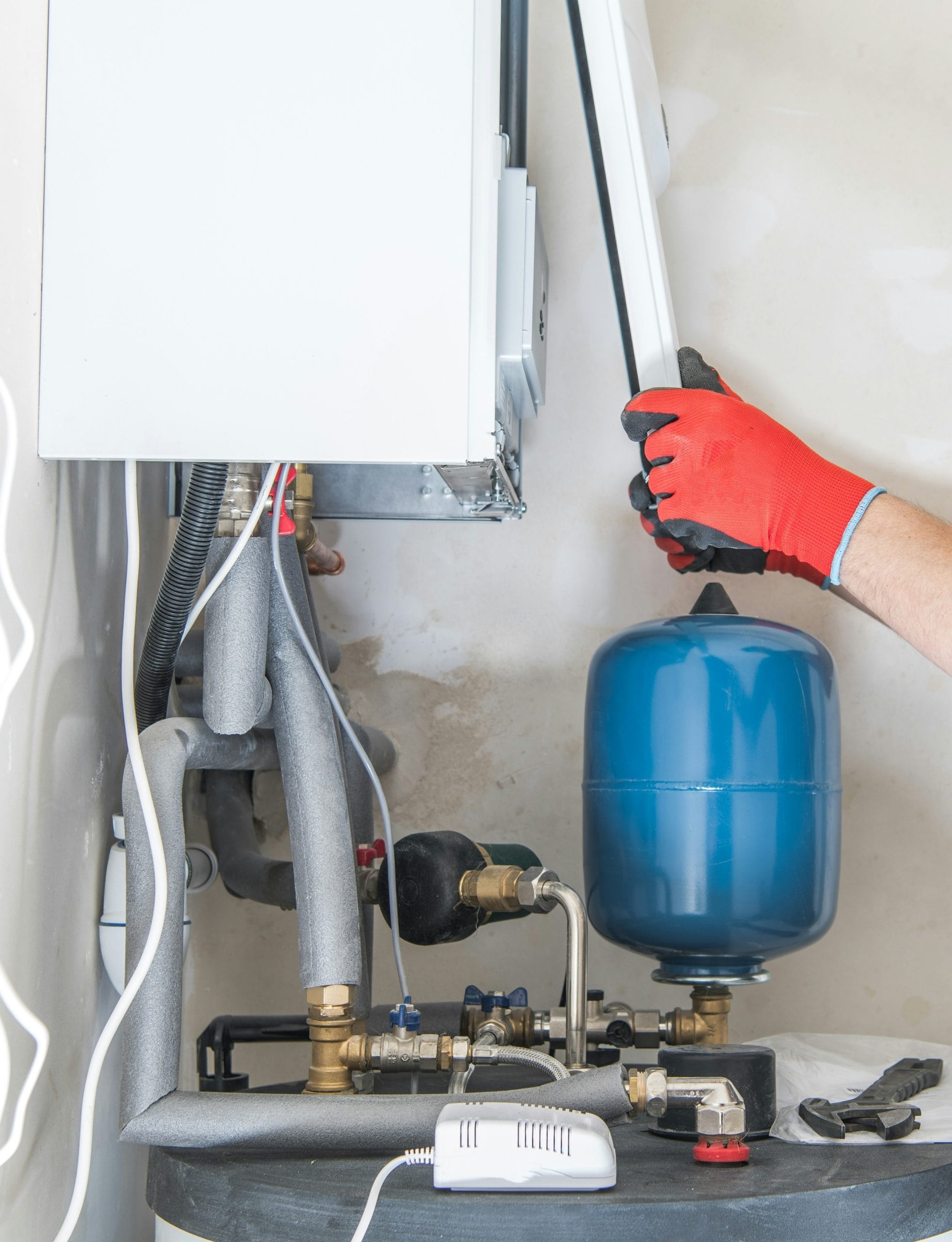
The best way to avoid emergency furnace repairs is to stay ahead of them. Chase's Comfort Care Club includes two furnace tune-ups per year, priority scheduling, and a discount on any repairs that do come up. Members also receive a one-year workmanship guarantee on any part we replace.
If you want your heating system to run reliably through every Oregon winter without surprises, a maintenance plan is the most cost-effective way to get there. Ask us about membership when you call.
Frequently Asked Questions
How Can We Help You?


See What Our Community Has to Say